Factory & Production
Inside our
production floor
From fabric inspection to final pressing — a visual tour of every department, machine type and stitch technique in our sustainable garment facility.
Production Departments
Factory areas
Each department plays a critical role in delivering quality garments. Our facility is organized into specialized zones for maximum efficiency and quality control.
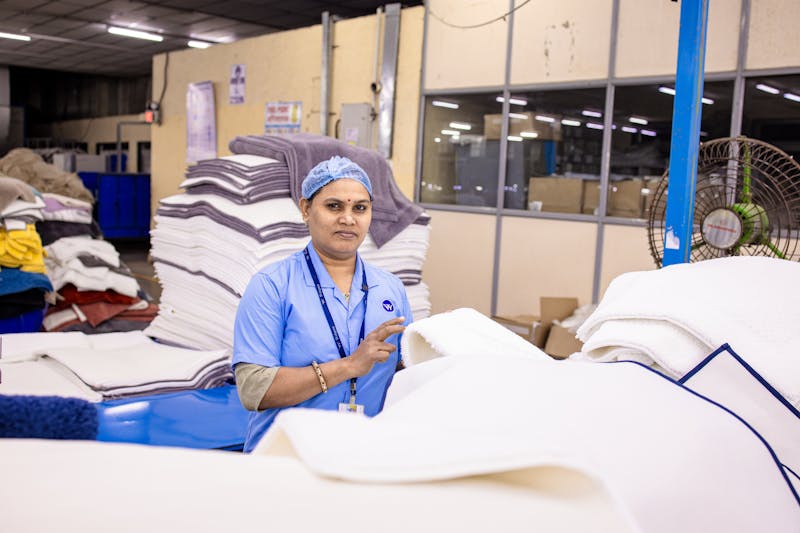
Fabric Inspection
Every roll of fabric is checked on a 4-point inspection system before it enters production. Inspectors look for weaving defects, color variation, GSM consistency and shrinkage tolerance. Rolls that fail are rejected or downgraded.
- 4-point grading system
- GSM & shrinkage testing
- Color shade-lot matching
- 100% roll inspection policy
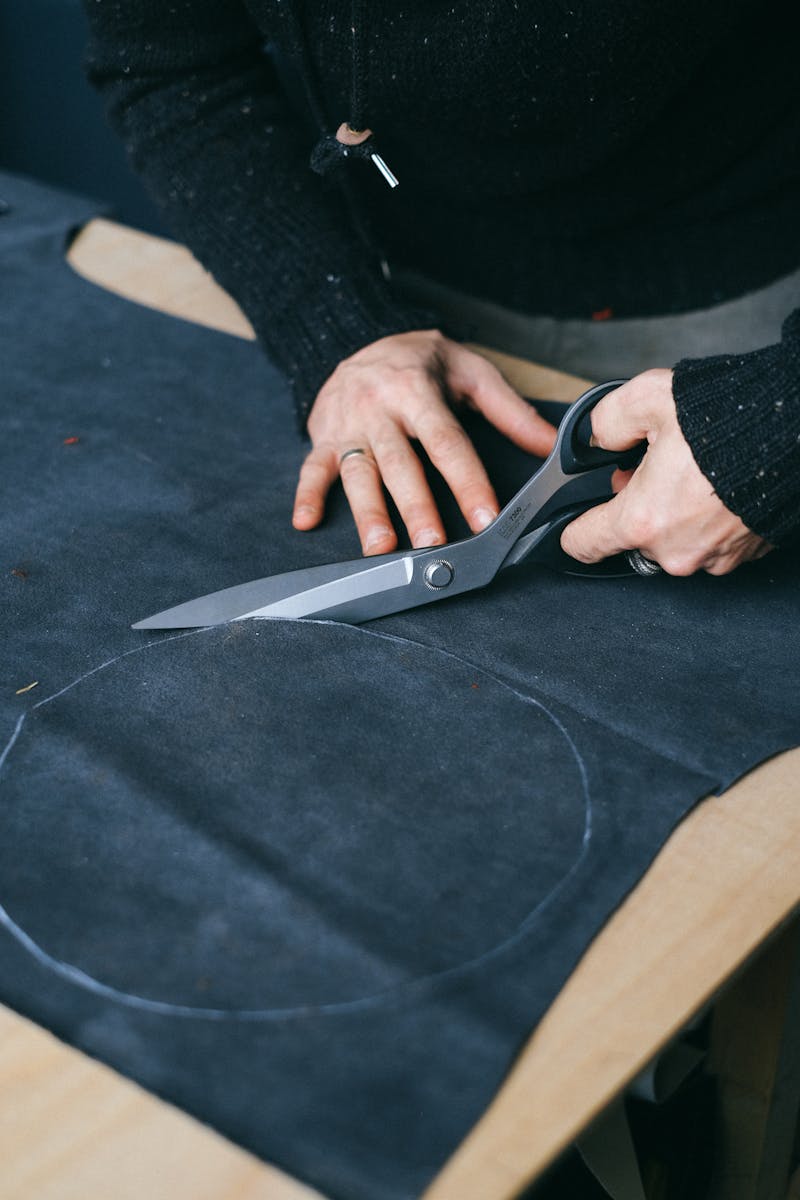
Cutting Department
Computer-aided marker planning minimizes fabric waste. Layers are spread on long tables (up to 12m), then cut using straight-knife and band-knife machines for precise panel shapes.
- CAD marker planning
- Straight-knife & band-knife
- Fabric waste under 3%
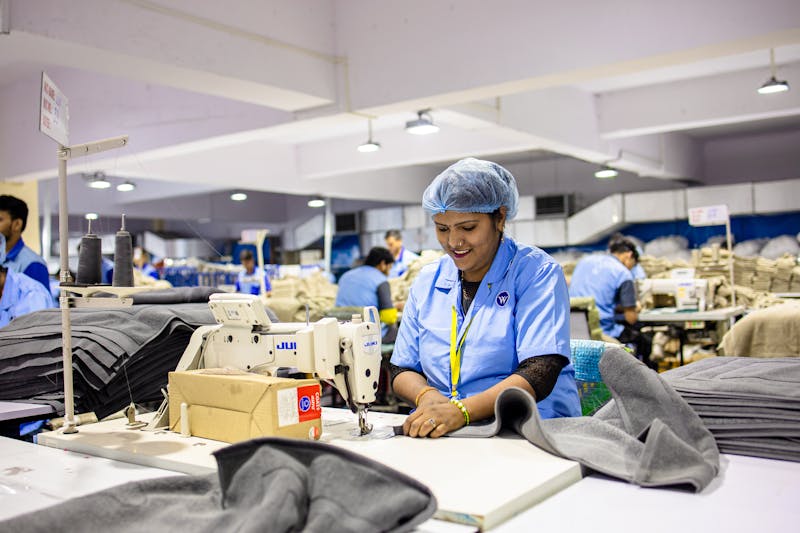
Sewing Floor
Our main production lines are organized in modular assembly format. Each line handles a complete garment style — from first seam to final stitch — enabling quality checkpoints at every stage.
- Modular line assembly
- In-line QC checkpoints
- Balanced workload per operator
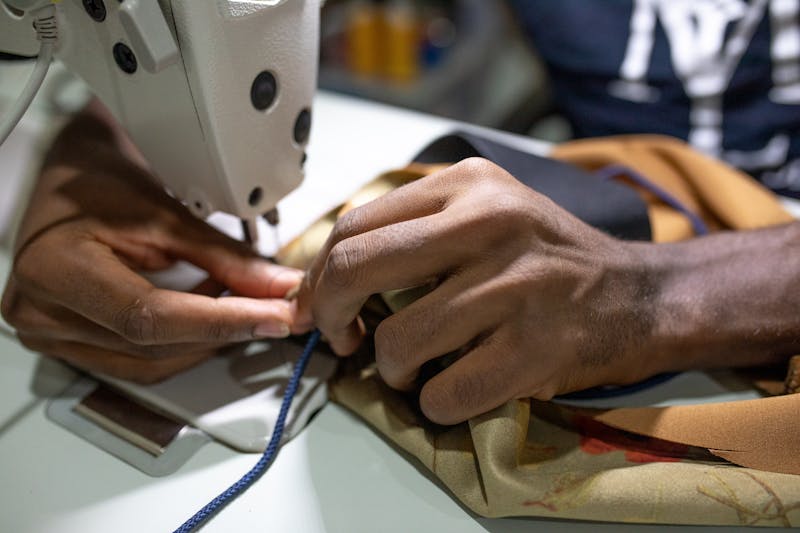
Embroidery Section
Multi-head embroidery machines handle logos, monograms and decorative patterns. We support up to 12-color designs with high-density stitch counts for crisp detail on all fabric types.
- Multi-head machines (6–20 heads)
- Up to 12 thread colors
- Flat, cap & tubular frames
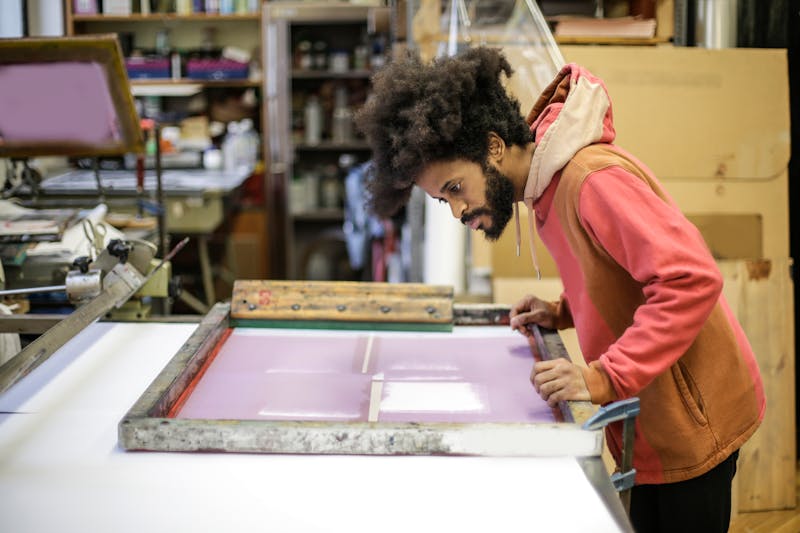
Printing Department
Screen printing, heat transfer and sublimation — we offer all major decoration methods. Multi-color screen setups handle up to 8 colors per design with exact PMS matching.
- Screen printing (up to 8 colors)
- Heat transfer & sublimation
- PMS color matching
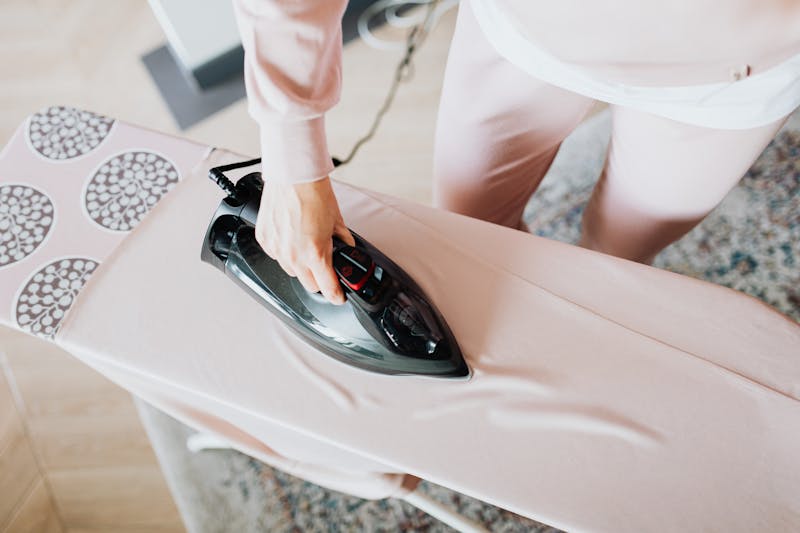
Pressing & Finishing
Steam pressing tables and tunnel finishers give each garment its final shape. Collar, cuff and seam pressing stations ensure sharp, professional presentation for retail packaging.
- Steam press & vacuum tables
- Tunnel finishing machines
- Collar & cuff press stations
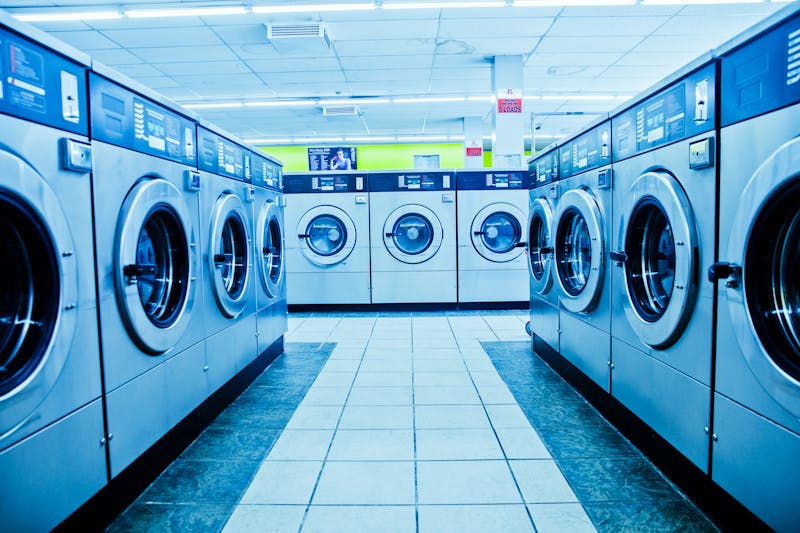
Industrial Laundry
Our in-house laundry facility handles garment washing, enzyme wash, stone wash and softener treatments. Industrial dryers and hydro-extractors manage high volumes while maintaining fabric integrity and controlled shrinkage.
- Garment wash & enzyme wash
- Stone wash capability
- Softener & silicone treatments
- Controlled shrinkage testing
Stitch Engineering
Stitch types & techniques
Different stitch types serve different purposes — from strength and stretch to clean finishing. Here's what we use and when.
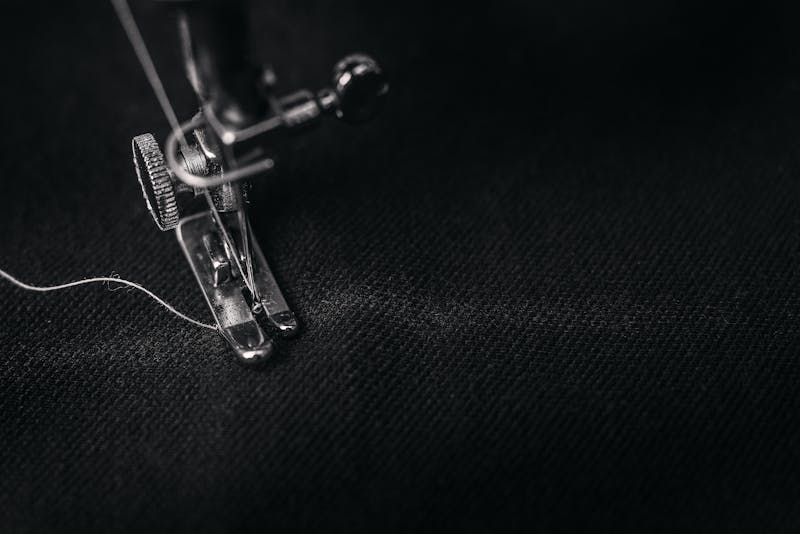
Lockstitch
The most common stitch in garment construction. Two threads interlock in the middle of the fabric, creating a strong, flat seam. Used for topstitching, pocket attach, collar and cuff construction.

Overlock (Serger)
Trims, encloses raw edges and sews the seam in one pass. Creates a stretchy, clean-finished edge that prevents fraying. Essential for knitwear — T-shirts, polos, activewear.

Flatlock
Opens flat against the body with no raised seam ridge, reducing skin irritation. Used in sportswear, underwear and performance garments where comfort against the skin is critical.
Coverstitch
Two parallel rows of stitching on top with a looper thread underneath. Provides a professional hem finish on knit garments — sleeve hems, bottom hems and neckline bindings.
Bartack
High-density zigzag reinforcement stitch applied at stress points — belt loops, pocket corners, fly openings and button holes. Prevents seam failure at high-tension areas.
Chain Stitch
Looping stitch formed on the underside, providing stretch and bulk. Used for waistband attach, inseam and side seams on denim and heavy fabrics where some give is needed.
Equipment
Machine types
Our facility is equipped with specialized machines for every garment construction requirement.
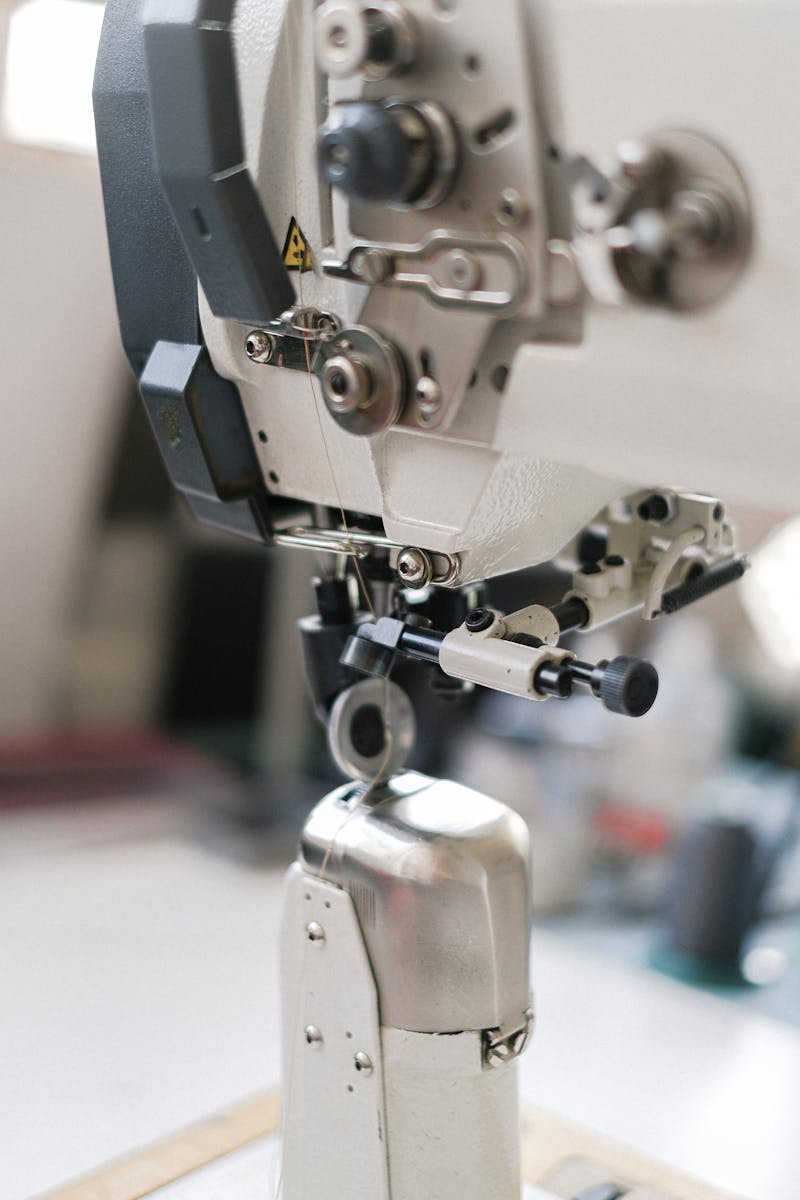
Single Needle Lockstitch
The workhorse of garment production. Used for topstitching, attaching collars, cuffs, pockets, plackets and all general assembly operations.
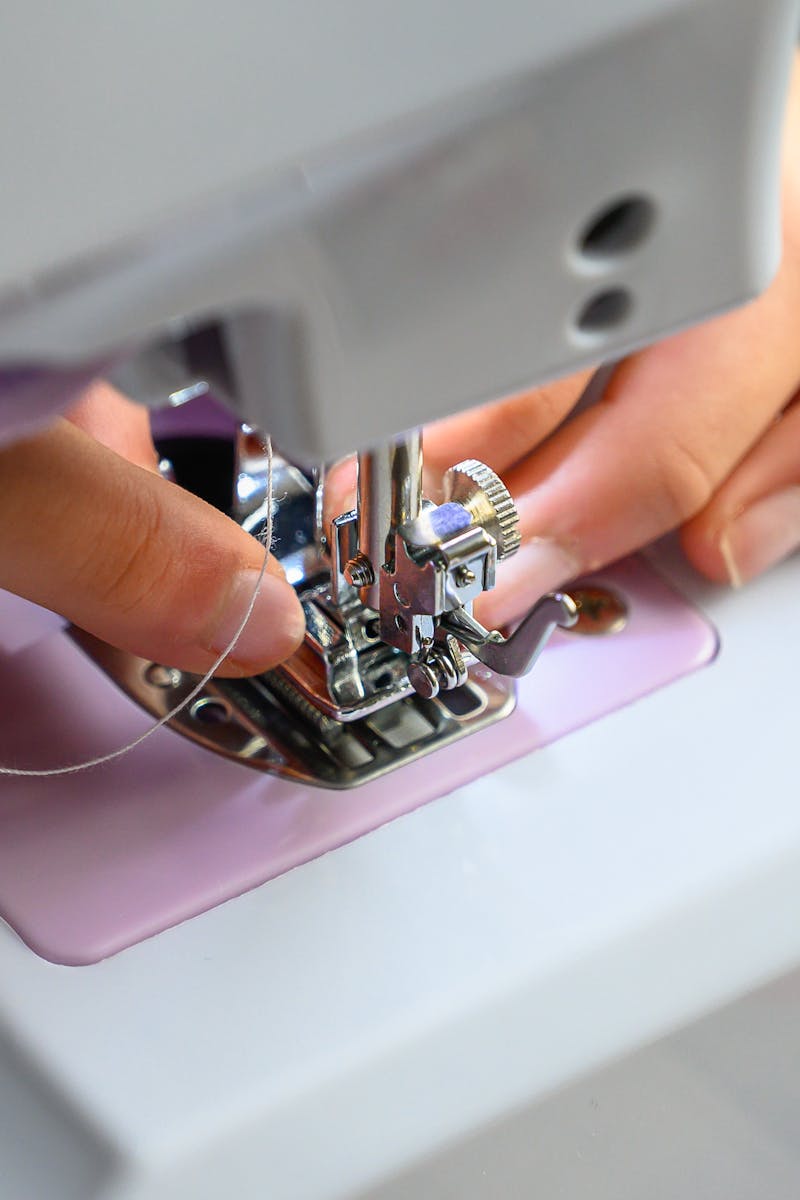
Overlock / Serger
3-thread, 4-thread and 5-thread configurations for edge finishing, seaming and trimming. Handles knits and wovens at high speed.
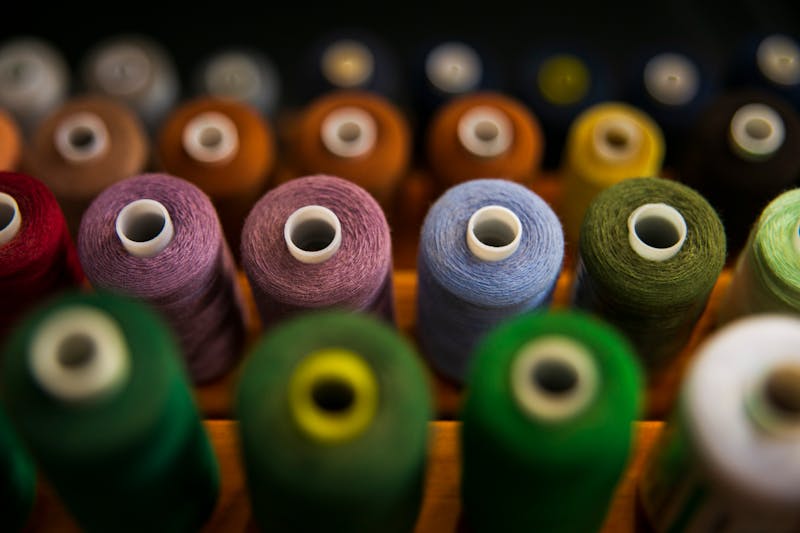
Flatlock & Coverstitch
Interlock and coverstitch machines for professional hemming, flat seaming and decorative stitching on knitwear and activewear.
Embroidery Heads
Multi-head automatic embroidery machines with up to 20 heads running simultaneously. Handles logos, badges, names and decorative motifs.
Screen Print Carousel
Rotary screen printing station with 6–8 color capability. Flash dryers between stations for wet-on-wet multi-color prints.
Steam Press & Fusing
Industrial steam presses for final garment shaping. Fusing machines apply interlining to collars, cuffs, plackets and waistbands.
Materials
Fabric types & specifications
Cotton Types
100% cotton, combed cotton, organic cotton, BCI cotton. Pique, jersey, twill, canvas and fleece. 140–320 GSM range.
Blends & Synthetics
Cotton/poly CVC & TC blends, poly/cotton drill, ripstop, recycled polyester, poly/viscose. Optimised for durability.
Technical Fabrics
3-layer softshell, micro-fleece, stain-resistant, water-repellent and flame-retardant options for specialist workwear applications.
Standards
Certifications & compliance
Certifications
- OEKO-TEX Standard 100
- BSCI / SEDEX
- WRAP
- Organic Content Standard
- Buyer-specific standards on request
Worker Rights
- Fair wages and safe conditions
- No child labor policy
- Training and skill development
- Health and safety protocols
- Regular compliance audits
Sustainable Practices
- Organic cotton sourcing
- Low-impact dye processes
- Water recycling systems
- Waste reduction programs
- Energy-efficient equipment
Quality Assurance
- AQL 2.5 final inspection
- In-line QC at every stage
- Metal detection before packing
- Needle control policy
- Pre-shipment inspection support
Get Started
Schedule a factory tour
See our production facility firsthand. We welcome buyer visits, virtual tours and pre-production meetings.